Juniper: more than a botanical garnish
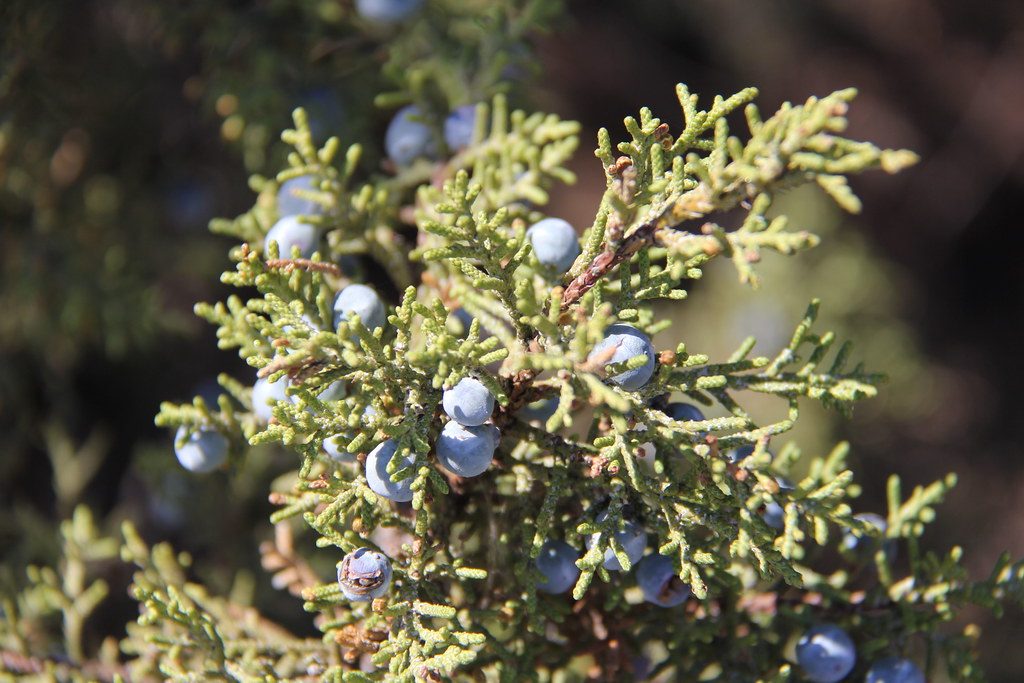
Say "juniper" and most people think of gin. But these small, blue-black berries — actually the tiny cones of an evergreen shrub — have a far older and broader story in the kitchen, and they are one of the five actives named on the Solva label.
A berry that flavours the north
Juniper grows across the cooler reaches of the northern hemisphere, and its berries have seasoned food for centuries. Their piney, faintly citrus warmth is a classic partner for game, rich meats, cabbage and slow braises across Scandinavian and Central European cooking.
More than a garnish
It is easy to dismiss juniper as a mere flavouring, yet it has long been valued as a genuine culinary botanical — one of those quiet ingredients that gives a dish depth without ever announcing itself. A few crushed berries can transform a simple stew.
Foraging and buying
Juniper grows wild across much of the northern hemisphere, though the berries take a couple of years to ripen from green to their characteristic blue-black. Most cooks simply buy them dried, where they keep their punch for a good while in a sealed jar. A quick crush with the flat of a knife releases their aroma just before cooking.
Beyond the famous gin, juniper flavours certain traditional cured meats, sauerkraut and northern game dishes. It is one of those quietly versatile ingredients that rewards a little curiosity — a jar of berries opens up a whole tradition of warming, aromatic cooking.
The taste of the north
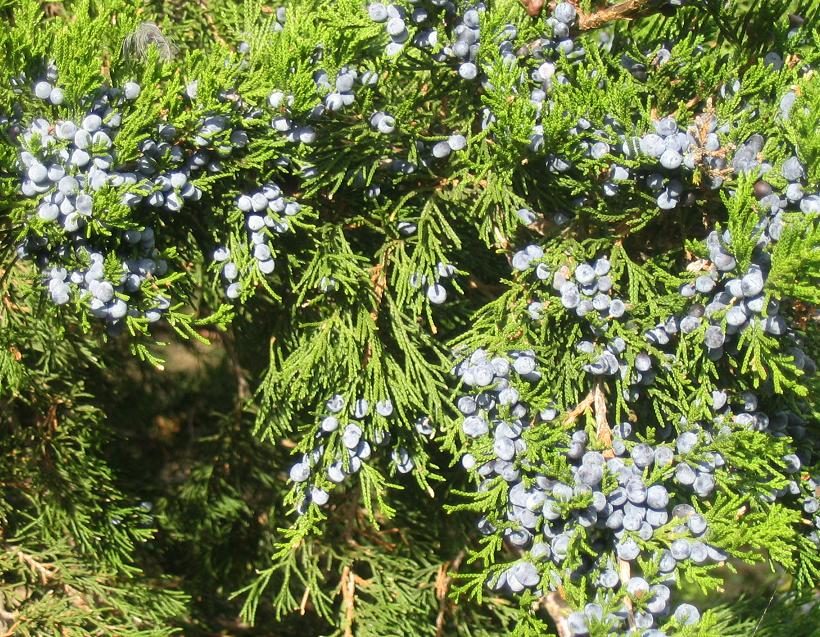
Juniper's flavour is unmistakable: resinous, piney, with a faint citrus lift. It is the taste many people associate with gin, but long before distillers claimed it, cooks across Scandinavia and Central Europe were tucking crushed berries into braises, cures and preserves to add warmth and depth to hearty winter food.
A little goes a long way
Juniper is assertive, so restraint is the rule in the kitchen. A few crushed berries are usually enough to season a whole pot. That same concentration is why, as a botanical, it is used in measured amounts rather than by the handful — a small quantity carries a great deal of character.
Using juniper in cooking
- Crush a few berries into a marinade for rich meats
- Add to braised red cabbage or sauerkraut
- Tuck into a pot of slow-cooked venison or beef
- Steep gently for a warming, aromatic infusion
A little goes a long way — juniper is assertive, so a few berries are usually plenty for a whole dish.
Juniper in the Solva formula
Juniper joins Cinnamon Bark, White Mulberry Leaf, Bitter Melon and Chromium in Solva, each at an amount printed in full on the label. Our full-disclosure approach means you can see the complete picture rather than guessing at a proprietary blend.
As ever, a food supplement supports a varied diet rather than replacing it and is not intended to diagnose, treat, cure or prevent any disease. Speak to your doctor before starting a supplement if you take medication or manage a condition. Ready to begin? Choose your plan.
A botanical with roots in tradition
Long before it was a fashionable flavour, juniper had a settled place in the folk kitchens and larders of the north, valued for the warmth and keeping-quality it lent to preserved foods through long winters. That practical heritage is part of what makes it such a satisfying ingredient to cook with today: every crushed berry carries a little of that history into the pot.
As an active in a modern supplement, juniper is used as a measured, standardised amount rather than a culinary handful — but the through-line from kitchen tradition to considered formula is exactly what we like about it. It is a familiar, picture-able botanical, not an obscure novelty.
Full amounts, printed on the label
Solva pairs five well-known actives — Cinnamon Bark, White Mulberry Leaf, Juniper, Bitter Melon and Chromium — at the amounts shown on the label, with no proprietary blends.
Choose your plan →