White mulberry leaf: what to know
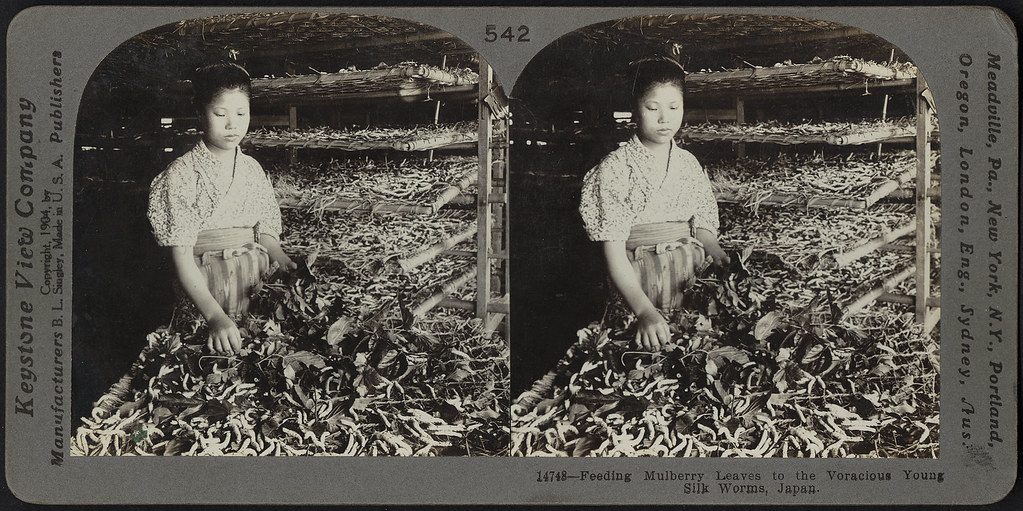
White mulberry leaf may be less famous than cinnamon, but it has a long and gentle history of its own. The leaves of the white mulberry tree, Morus alba, have been brewed into teas across East Asia for centuries, and today the leaf is a quietly popular botanical in wellness circles.
The tree behind the leaf
The white mulberry is best known as the tree whose leaves feed silkworms — a role that carried it along the ancient silk routes. Beyond silk, its leaves were dried and steeped as a warm, mild infusion, part of the everyday rhythm of the kitchen rather than the medicine cabinet.
A mild, everyday botanical
What people tend to appreciate about mulberry leaf is its gentleness. As a tea it is soft and grassy, easy to enjoy in the afternoon. In a supplement it is standardised to a consistent amount, which is how it appears in Solva.
Where it grows today
The white mulberry has proved a remarkably adaptable tree, and today it grows across temperate regions worldwide, from its native East Asia to parts of Europe and the Americas. The leaves are typically harvested, dried and processed into a standardised extract for use in supplements, or dried more simply for tea.
Because it carries no caffeine, mulberry leaf tea suits the later part of the day when you might avoid a strong cup of ordinary tea or coffee. Some people enjoy it plain; others blend it with mint or a slice of lemon. As with any botanical, moderation is sensible, and it complements rather than replaces a varied diet.
From silk roads to teacups
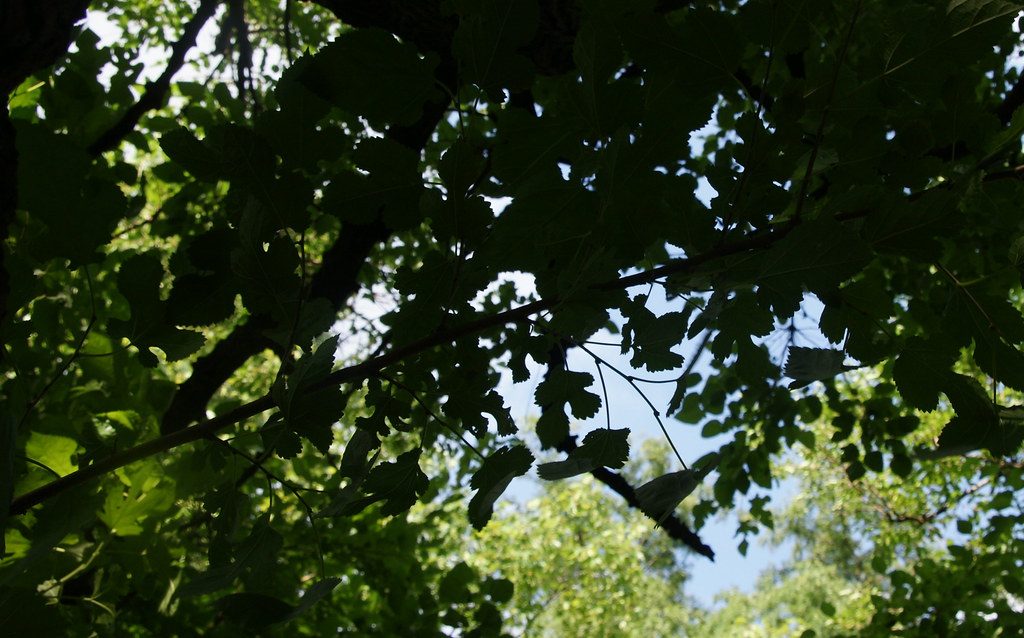
The white mulberry travelled the world on the back of the silk trade, its leaves the sole food of the silkworm. Wherever the trees were planted, people found a second use for the abundant foliage: a mild, pleasant infusion. That long, practical history is part of why the leaf feels so at home in a modern wellness routine.
Enjoying it as a tea
If you would like to try mulberry leaf in its most traditional form, dried leaves steep into a soft, grassy, caffeine-free tea — lovely in the afternoon or evening. As a supplement ingredient it is standardised to a consistent measured amount, which is how it appears in a formula like Solva.
How it is traditionally used
- Dried and brewed as a light, caffeine-free tea
- Blended with other botanicals for a warming infusion
- Included in modern supplements at a measured amount
Its place in Solva
White Mulberry Leaf sits among Solva's five actives, each printed at its full amount on the label. We do not hide anything inside a proprietary blend; you can see exactly how much mulberry leaf, cinnamon, juniper, bitter melon and chromium a serving contains.
Like the rest of the formula, mulberry leaf is there to support a varied diet and sensible daily habits — such as a Mediterranean-style plate — not to stand in for them, and it is not intended to diagnose, treat, cure or prevent any disease.
A word of care
If you are pregnant, nursing, on medication or managing a condition, please talk to your doctor before starting any new supplement. When you are ready, you can choose your plan and build a steady routine.
A gentle addition, not a headline act
It is worth holding mulberry leaf in proportion. It is a mild, traditional botanical with a long and pleasant history, and in a supplement it plays a supporting part alongside the other actives rather than starring alone. That modesty is a feature, not a flaw — the best everyday ingredients tend to work quietly.
As with anything you add to your routine, moderation and patience serve you well. Mulberry leaf complements sensible eating and steady habits; it does not replace them, and it is not intended to diagnose, treat, cure or prevent any disease.
Full amounts, printed on the label
Solva pairs five well-known actives — Cinnamon Bark, White Mulberry Leaf, Juniper, Bitter Melon and Chromium — at the amounts shown on the label, with no proprietary blends.
Choose your plan →