Cinnamon bark: a warm spice with a long history
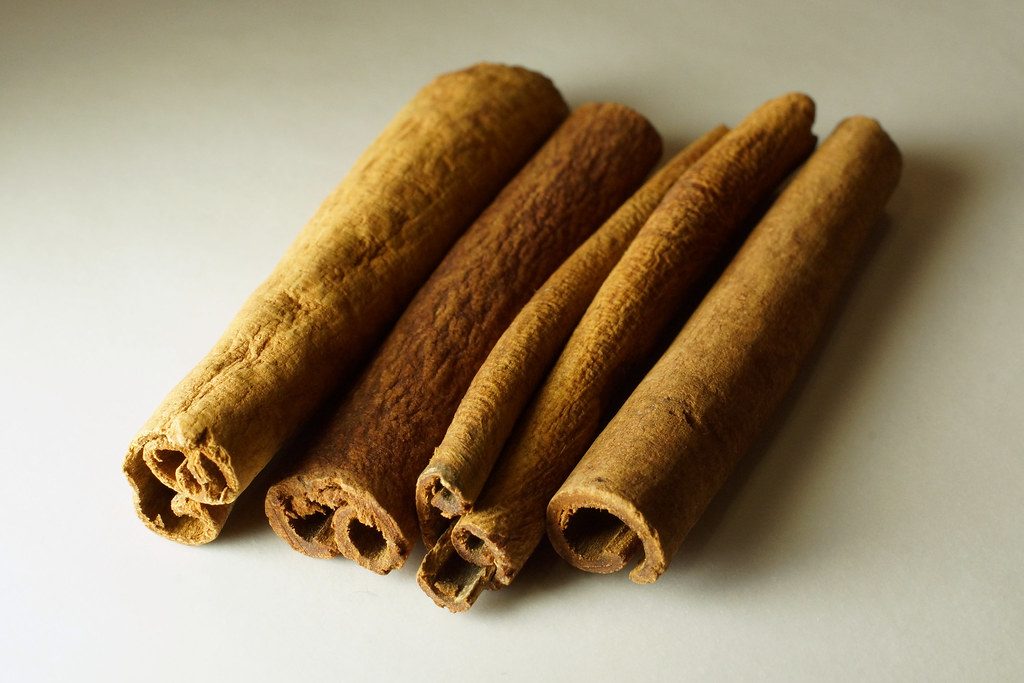
Cinnamon is one of the oldest spices in the human pantry, prized for thousands of years across trade routes that stretched from Sri Lanka to the markets of the ancient Mediterranean. Its warm, sweet aroma is instantly familiar — and it is also one of the five actives you will find named in full on the Solva label.
Where cinnamon comes from
Cinnamon is the inner bark of trees in the Cinnamomum family. Once harvested, the bark curls as it dries into the quills, or sticks, most of us recognise. Ground into powder or left whole, it has flavoured everything from festive baking to slow-cooked stews and spiced teas.
A spice woven into daily life
Part of cinnamon's charm is how easily it slips into everyday cooking. A pinch stirred into porridge, a stick simmered in a compote, a dusting over roasted fruit — it adds warmth and a natural sweetness that can let you reach for less added sugar.
Storing it well
Like all spices, cinnamon is at its best fresh. Whole sticks keep their aroma far longer than pre-ground powder, so where you can, buy sticks and grate or grind a little as you need it. Store both away from heat and light in a well-sealed jar, and give ground cinnamon a sniff before use — if the scent has faded, so has much of the flavour.
A little history lingers in every jar. For centuries cinnamon was so prized that it was worth more than gold by weight, driving trade and exploration across continents. That so treasured a spice now sits quietly in every kitchen cupboard is one of the small marvels of the modern pantry.
Two kinds of cinnamon
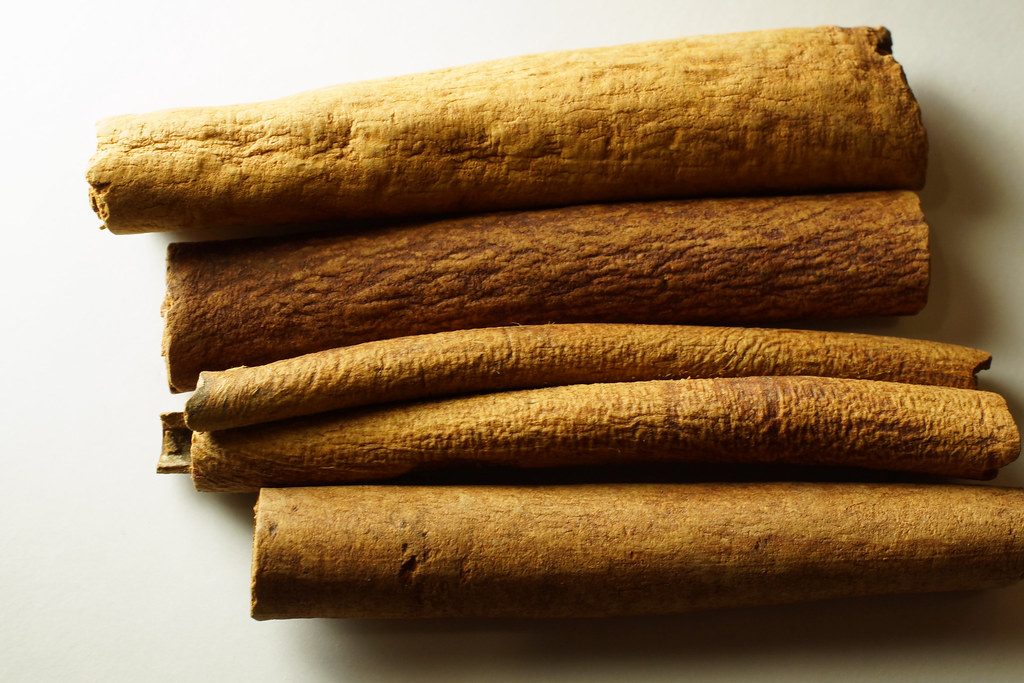
It is worth knowing that not all cinnamon is the same. Ceylon cinnamon, sometimes called "true" cinnamon, is milder and more delicate, while cassia cinnamon is the bolder, more common supermarket variety. Both bring that familiar warmth to the kitchen; the difference is mostly one of flavour and provenance rather than everyday cooking use.
A spice that lets you use less sugar
One quiet virtue of cinnamon is how its natural sweetness can stand in for some added sugar. A pinch over porridge, fruit or yoghurt makes a dish taste sweeter than it is, which can be a gentle help to anyone trying to keep refined sugar in check without giving up on flavour.
Cinnamon in the kitchen
- Stir a little into morning oats or yoghurt
- Simmer a stick with apples or pears for a gentle pudding
- Add a pinch to savoury tagines and lentil dishes
- Infuse it into a warm evening drink
Why it features in Solva
Cinnamon Bark is included in Solva at a clearly stated amount, alongside White Mulberry Leaf, Juniper, Bitter Melon and Chromium. We take a full-disclosure approach: no proprietary blends, and the amount of every active printed on the label so you always know what you are taking.
As with any food supplement, cinnamon in Solva is there to complement a varied diet, not to replace one, and it is not intended to diagnose, treat, cure or prevent any condition.
A gentle reminder
Culinary cinnamon and a labelled supplement amount are different things. If you take medication or manage a health condition, it is always sensible to check with your doctor before adding a new supplement. You can read about our wider philosophy in our approach to full-disclosure formulas.
From market stall to medicine chest — and back
Cinnamon's journey through history is a reminder of how blurred the line between kitchen and apothecary once was. For much of the past it was treasured as both a flavour and a folk remedy, traded across vast distances and mentioned in some of the oldest written records we have. Today we understand it far better as a wonderful culinary spice, enjoyed for its warmth rather than any grand claim.
That is very much the spirit in which it appears in Solva: a familiar, well-loved ingredient, included at a clearly stated amount as part of a considered everyday formula. It is there to complement good food and steady habits, and, like the whole formula, it is not intended to diagnose, treat, cure or prevent any disease.
Full amounts, printed on the label
Solva pairs five well-known actives — Cinnamon Bark, White Mulberry Leaf, Juniper, Bitter Melon and Chromium — at the amounts shown on the label, with no proprietary blends.
Choose your plan →