Bitter melon in traditional kitchens
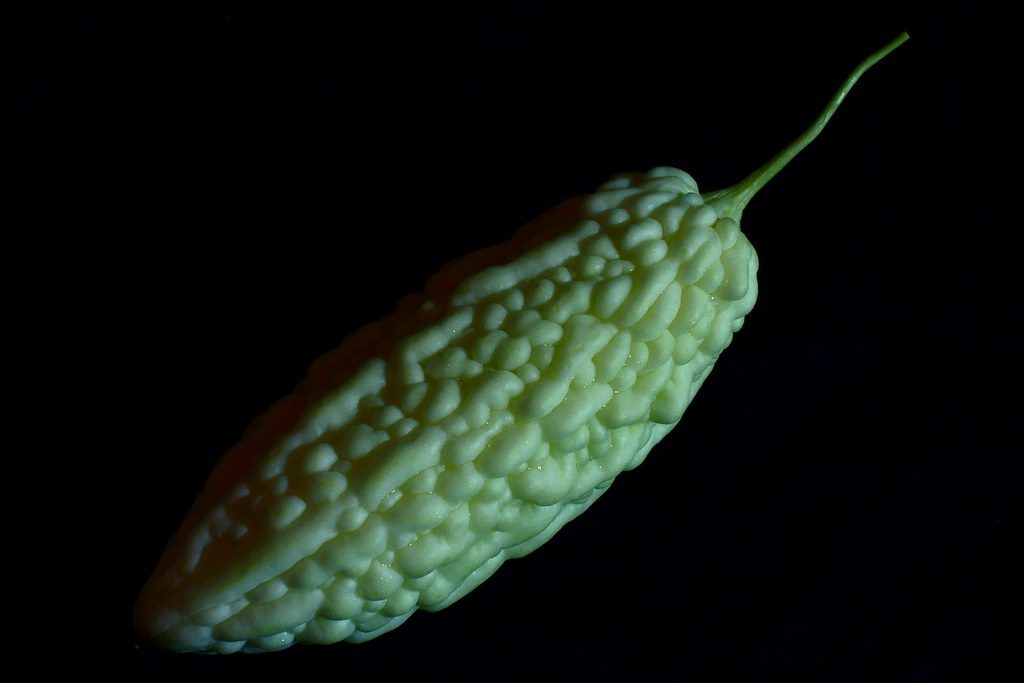
Few vegetables divide the dinner table quite like bitter melon. Knobbly, green and unapologetically sharp in flavour, this gourd is a beloved staple in kitchens across South and East Asia, the Caribbean and parts of Africa — and it is one of Solva's five labelled actives.
An acquired, celebrated taste
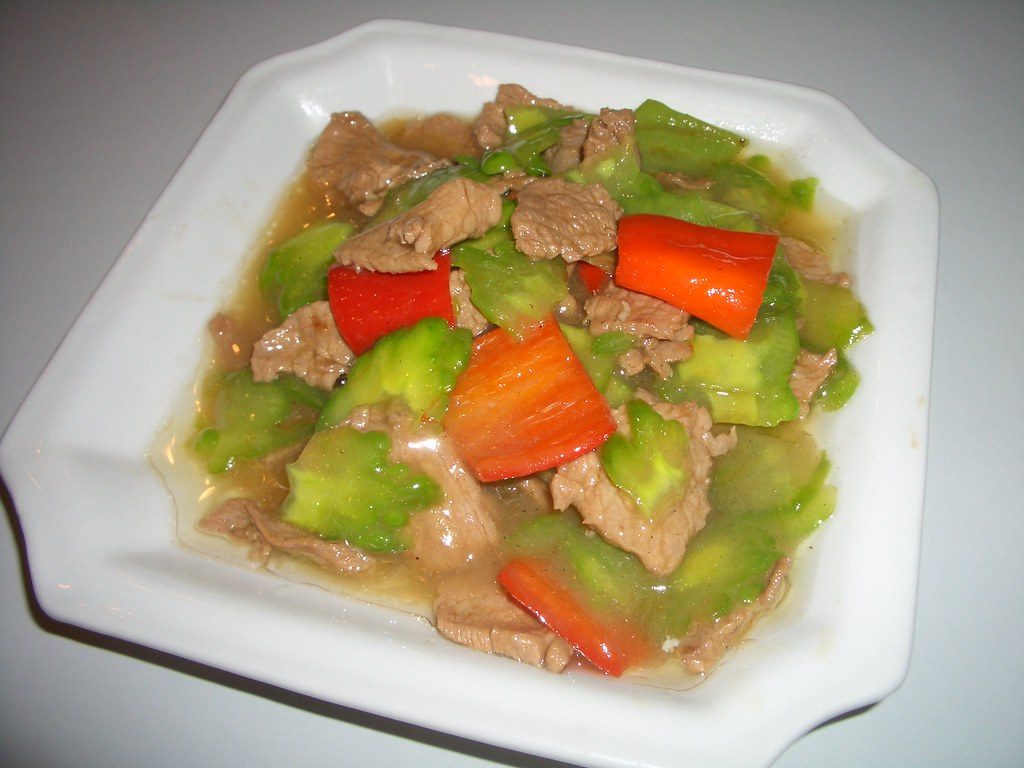
Bitter melon, also called bitter gourd or karela, earns its name honestly. Cooks have spent generations learning to tame its edge: salting and rinsing the sliced flesh, pairing it with eggs, pork or robust spices, and letting its distinctive character shine in stir-fries and curries.
A vegetable with heritage
In many households bitter melon is more than an ingredient; it is a link to family cooking and regional tradition. It appears in celebratory dishes and everyday suppers alike, valued precisely because its flavour is like nothing else on the plate.
Choosing and keeping it
When buying bitter melon, look for firm, bright-green fruit; as it ripens it yellows and turns softer and even sharper in flavour. Store it in the fridge and use it within a few days. Younger, greener gourds are generally milder and a friendlier place to start for the uninitiated.
It also pairs cleverly with bold companions. Eggs, garlic, fermented black beans, chilli and rich meats all stand up to its edge and balance it beautifully. Cooking it alongside such assertive flavours, rather than trying to hide it, is how generations of cooks have turned a challenging vegetable into a genuinely craved dish.
Taming the bitterness
The single most useful trick with bitter melon is a light salting. Slice it, scatter with salt, leave it for fifteen minutes or so, then rinse and pat dry. This draws out some of the sharpness and makes the gourd far more approachable — especially for anyone cooking it for the first time.
A vegetable of many names
Depending on where you are, you might know it as bitter gourd, karela, goya or balsam pear. That abundance of names hints at how widely it is loved, from Okinawan kitchens to Indian curries and Caribbean stews. It is a genuinely global vegetable with deep culinary roots.
Cooking it at home
- Slice thinly, salt for 15 minutes, then rinse to soften the bitterness
- Stir-fry with egg, garlic and a splash of soy
- Simmer in a spiced curry with lentils or coconut
- Stuff and braise it whole for a heartier dish
If you are new to it, start with a small amount blended into a familiar dish rather than centre-stage — a gentle introduction wins more converts.
Bitter melon in Solva
As a supplement ingredient, bitter melon is used as a measured extract, and in Solva that amount is printed clearly on the label alongside the other four actives. Our full-disclosure approach means there are no hidden blends to wonder about.
A food supplement complements a varied diet; it does not replace one, and it is not intended to diagnose, treat, cure or prevent any disease. If you manage a condition or take medication, check with your doctor first. Curious about the whole formula? See our approach.
A dish with a story
What keeps bitter melon on so many tables is not only its flavour but its heritage. In household after household it carries memories of a grandmother's kitchen, a festival dish, or the particular way one family learned to cook it. Food like this is never only nutrition; it is culture on a plate, and that is a large part of why it endures across generations and continents alike.
If you are minded to try it, begin gently. Blend a little into a familiar stir-fry, taste as you go, and let your palate adjust over a few meals rather than expecting to love it at first bite. Many a devoted fan started out unconvinced — the reward comes to those who give this singular vegetable a fair chance.
Full amounts, printed on the label
Solva pairs five well-known actives — Cinnamon Bark, White Mulberry Leaf, Juniper, Bitter Melon and Chromium — at the amounts shown on the label, with no proprietary blends.
Choose your plan →