Walking after meals: a simple daily ritual
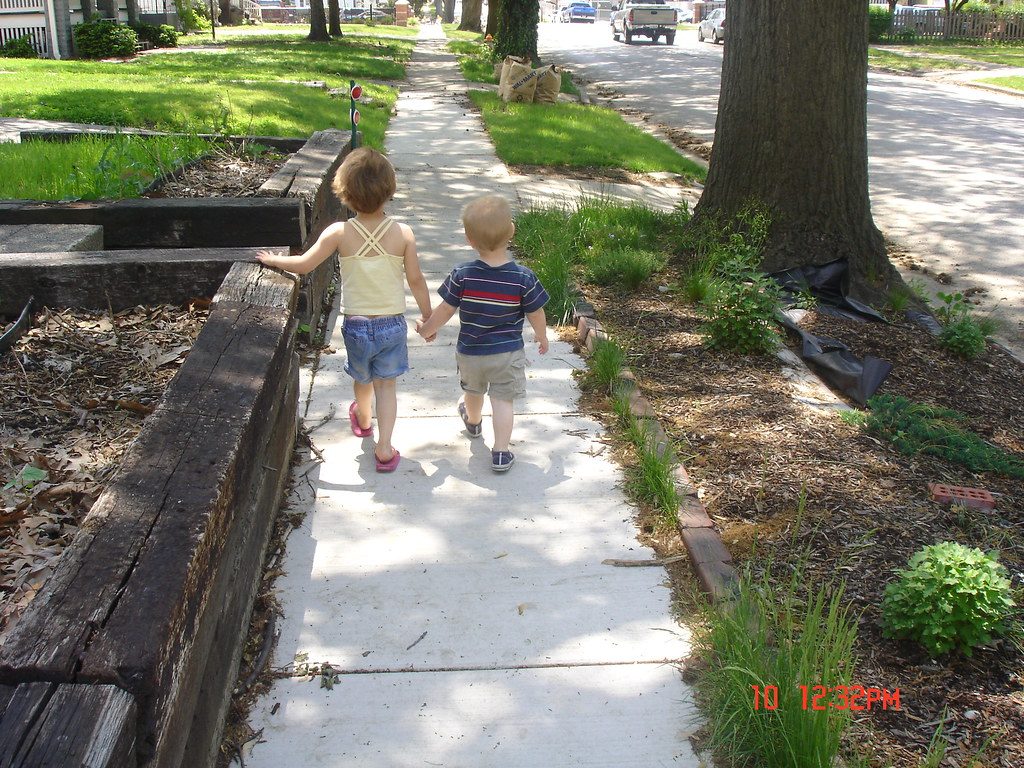
Of all the habits worth keeping, a gentle walk after meals may be the friendliest. It costs nothing, needs no equipment, and slots into a day so naturally that it barely feels like exercise. For many readers over 50, it becomes one of the most cherished parts of the daily routine.
Why after meals?
Moving a little after eating is a time-honoured tradition in many cultures — the Italian passeggiata being the best-loved example. A short stroll helps you feel less sluggish after a meal and gives digestion a gentle nudge, all while getting you out into the daylight.
How little is enough
You do not need a route march. Ten to fifteen unhurried minutes is plenty, and even a few turns around the garden count. The magic is in the regularity, not the distance.
Making it enjoyable, not a chore
A ritual you dread will not last, so it is worth making the walk something to look forward to. Choose a pleasant route, take a companion or a podcast, or let it be your daily moment of quiet away from the household. When the walk becomes a small pleasure rather than a duty, keeping it up requires no discipline at all.
The pace should stay comfortable. This is not brisk exercise but an easy, digesting-your-dinner amble, at a speed where you could happily hold a conversation. That gentleness is exactly why the habit suits almost everyone, whatever their age or fitness.
A tradition worth borrowing
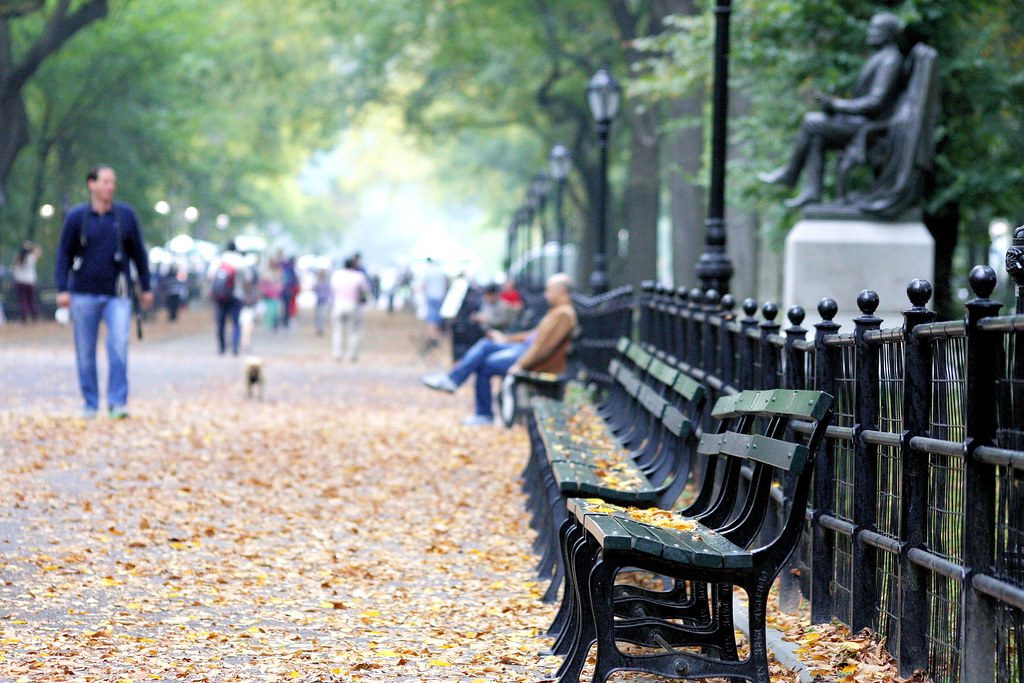
The gentle post-meal stroll is woven into daily life across the Mediterranean, from the Italian passeggiata to the evening wanders of countless small towns. It is a lovely tradition to borrow: a pause between eating and the rest of the evening, taken at an easy, conversational pace with no goal beyond enjoying the air.
Weather and willpower
The habit's greatest enemy is a rainy day. The trick is to lower the bar rather than skip entirely — a few laps of the landing, some gentle stretching by the window, or a short turn under an umbrella all keep the thread unbroken. A shortened walk is always easier to resume than a dropped one.
Making the ritual stick
- Pair it with an existing habit — walk once the kettle has boiled after lunch
- Keep comfortable shoes by the door so there is no excuse
- Invite a partner, neighbour or dog along for company
- Choose a pleasant, familiar loop you look forward to
Building a walk onto something you already do is the surest way to keep it. We explore that idea further in everyday habits that support steady energy.
A ritual worth protecting
On busy or wet days, even a lap of the hallway or a few minutes of gentle stretching keeps the thread going. It is far easier to shorten a habit than to restart one you have dropped entirely.
Walking and a steady routine
A daily walk pairs beautifully with a considered diet and, for those who choose it, a once-daily food supplement. Solva is designed to sit alongside good habits like this one — never to replace them. When your routine is in place, you can choose your plan.
Small ritual, lasting habit
What makes the after-meal walk so durable is precisely how little it asks. There is no kit to buy, no class to book and no fitness threshold to clear — only a pair of comfortable shoes and a few spare minutes. Habits with such low friction are the ones that quietly survive the years, long after more ambitious resolutions have faded.
Give it a fortnight and it tends to become simply part of the day, missed on the rare occasions you skip it. That is the mark of a habit that has truly taken hold: not willpower, but the faint sense that something is off when it does not happen.
Full amounts, printed on the label
Solva pairs five well-known actives — Cinnamon Bark, White Mulberry Leaf, Juniper, Bitter Melon and Chromium — at the amounts shown on the label, with no proprietary blends.
Choose your plan →